Surface: optimising your adhesion
Successful, strong and reliable bonding and coating processes start with understanding your surface. Whether it’s adhesives, inks, sealants, paints, coatings, tapes… or barnacles, the effectiveness of adhesion is influenced by properties of the surface like cleanliness, roughness, and energy.
To help optimise adhesion, you will want to assess your substrate surface energy and cleanliness. If required, you can improve the substrate surface energy with some form of treatment. You can also select an adhesive material which can bond with a surface which is less than optimal.
Explore our range of materials, equipment and techniques to find the right approach for your surface.
 |
 |
Surface energy measurement
Understanding surface energy is critical to achieving strong and reliable bonds. Tools from Biolin Scientific and SITA Messtechnik enable you to analyse and quantify the surface energy of your substrates.
Surface energy, contact angle, and wetting measurements with these precise instruments will help you make informed decisions to enhance your adhesion.
Increase your surface energy
Boost the surface energy of your materials with plasma surface treatment. Using equipment like the piezobrush PZ3 from Relyon Plasma, you can modify surfaces at a molecular level, improving adhesion, wetting, and cleanliness. Whether you’re bonding, coating, or printing on low-energy plastics or other difficult-to-bond materials, plasma treatment can help to produce a more robust and durable bond.
Structural bonding of low surface energy plastics
SCIGRIP SG400LSE is formulated to deliver exceptional bonding performance for low surface energy plastics such as polypropylene, polyethylene, other polyolefins, and thermoplastic elastomers – overcoming the challenges associated with these substrates without the use of primers, and with little-to-no surface preparation.
Detect surface contamination
Contamination on a surface can significantly impact adhesion, coating performance, and overall product quality. Tools like the SITA CleanoSpector can assess the cleanliness of your part by checking for oil, grease, coolants, release agents, cleaning fluids and other organics.
Surface energy assessment
Need a quick and easy way to measure surface wetting or surface energy? Dyne Testing pens and inks provide an assessment in three seconds, allowing you to determine whether a substrate is above or below a specific surface energy. By using a range of Dyne Pens of various dyne levels, the surface energy of a substrate can be determined to a narrow range.
Surface preparation
Oils, dust, residues and other surface contamination can hinder adhesion and compromise your results. adhere IPA cleaning wipes provide a versatile and cost-effective way of cleaning your substrates prior to your bonding, coating or printing processes.
Surface energy go/no-go test
The Instant Test Pen – 38 Dyne allow you to measure the surface energy of your material. One quick test will identify if the surface is treated to a level of 38mN/m (Dynes/cm) or higher, quickly identifying the treated or non treated side of the material especially useful on polyethylene or polypropylene films after corona surface treatment.
“Instant” bonding with primer
You can get the benefits of cyanoacrylate adhesives CAs (single part, fast cure) for bonding polypropylene, polyethylene, silicone rubber and even PTFE (Teflon®). A cyanoacrylate primer improves the adhesion of cyanoacrylate adhesives to difficult to bond plastics and rubbers.
Further resources
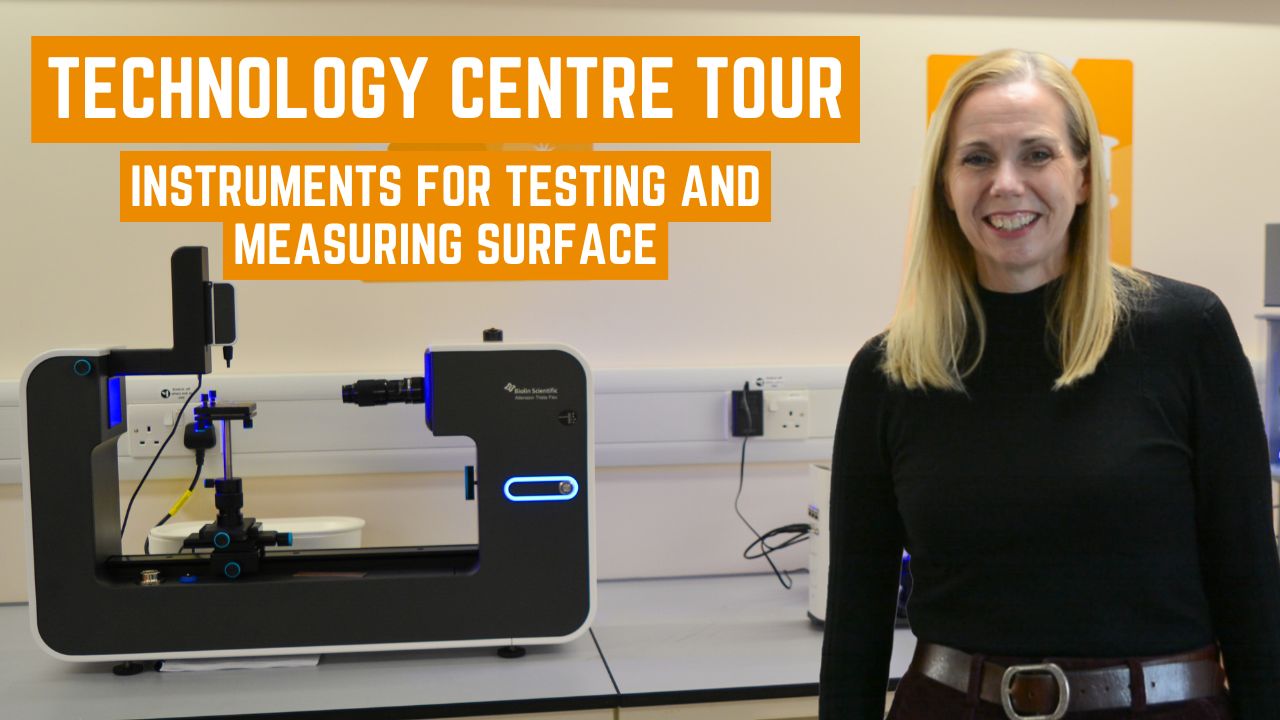
Video: Technology Centre Tour
Join Dyne Testing Sales Manager, Alison Fox, as she takes you on a quick tour of the Intertronics Technology Centre, showcasing our range of surface testing and measuring instruments, including cleanliness testers, force tensiometers, and optical tensiometers.
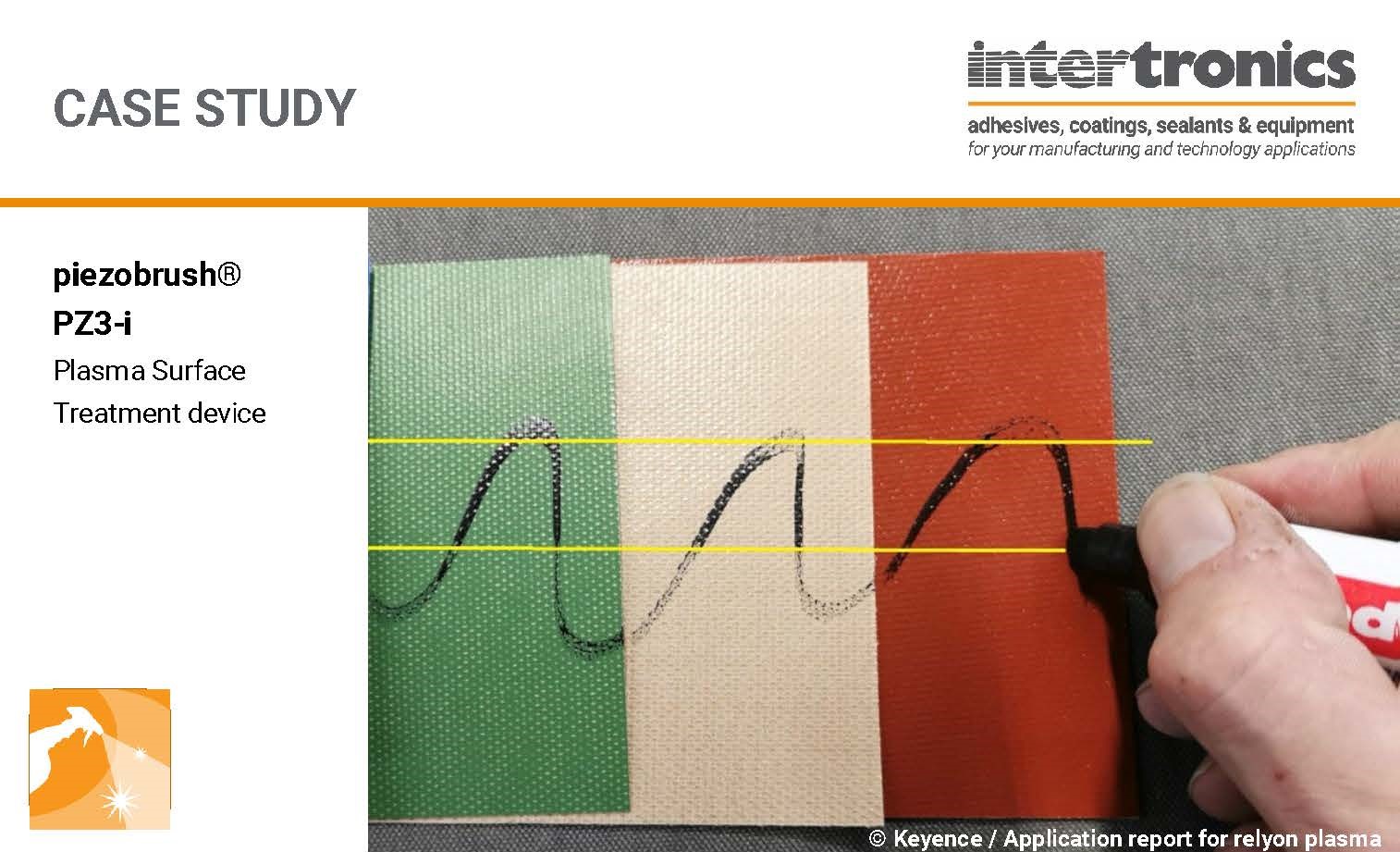
Case Study: Plasma pre-treatment for PTFE fabric marking
A leading tool solutions company for surface finishing required a way of safely and effectively marking low surface energy PTFE fabrics using continuous inkjet printing. To establish a reliable method of increasing the surface energy, it turned to the piezobrush® PZ3-i.
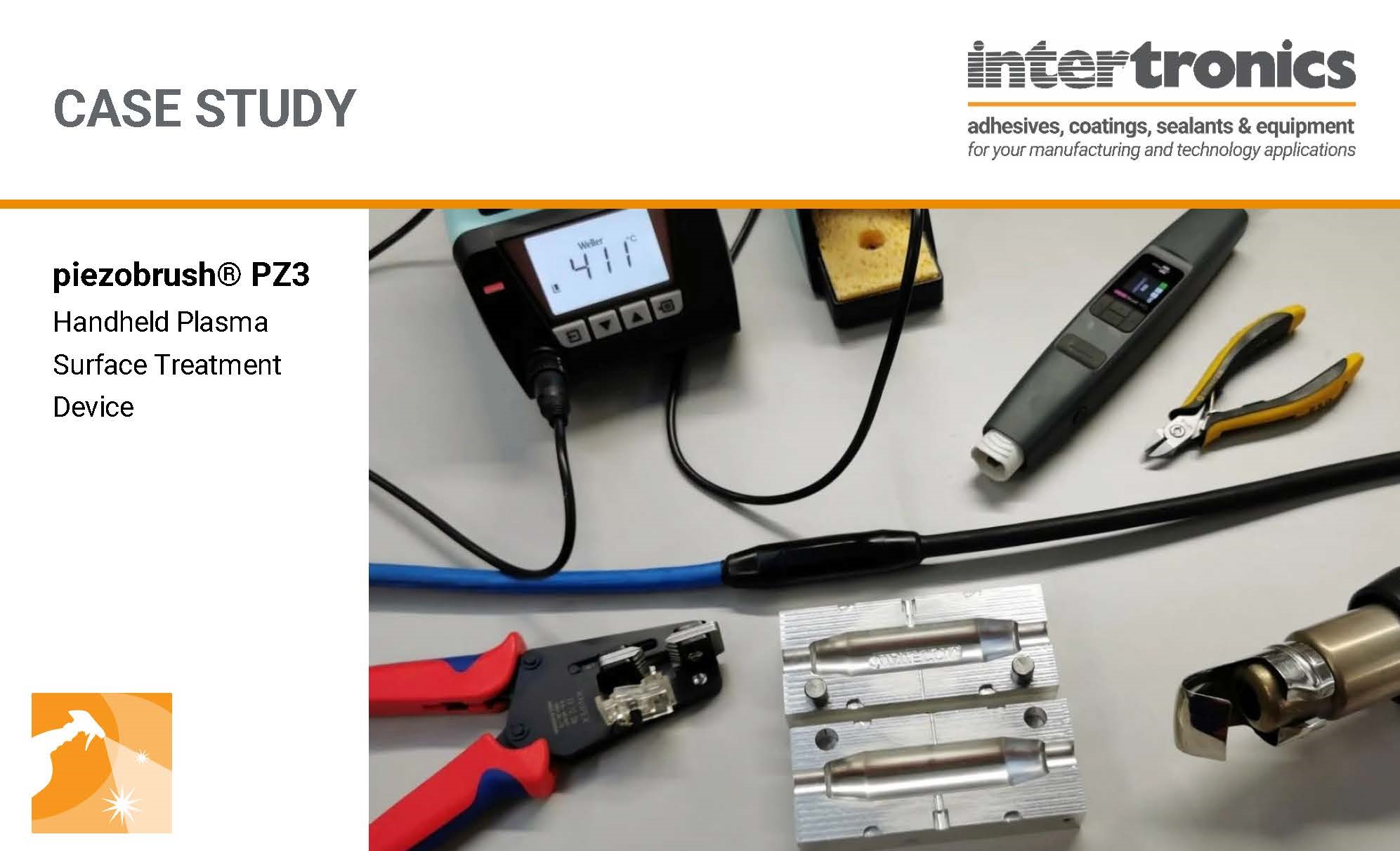
Case Study: Improving overmoulding adhesion with plasma treatment
Optimising the adhesion of overmoulding material to cable sheaths, achieving a good bond strength without primers or abrasion.
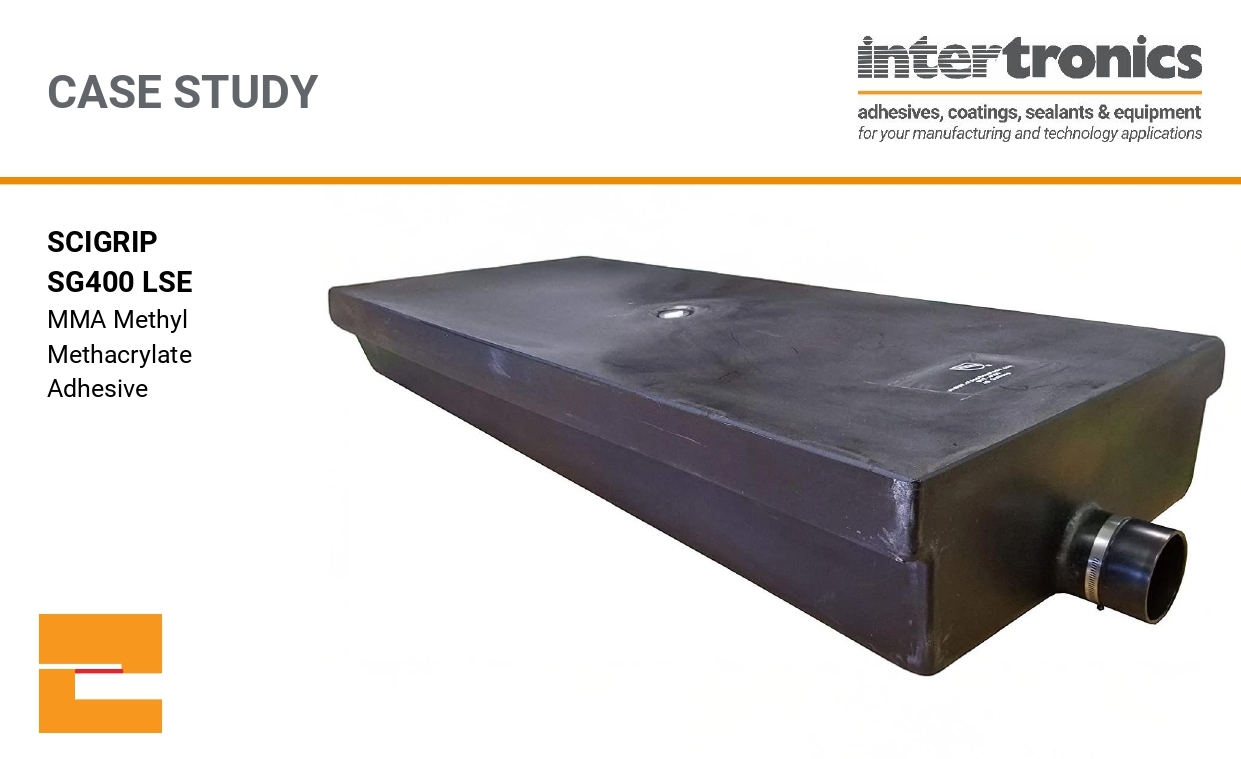
Case Study: Bonding and sealing polyethylene tanks using MMA adhesive
A rotational moulding company producing LDPE tanks needed an effective way to repair blow holes in their polyethylene products. After consulting IPS Adhesives, they trialled SCIGRIP SG400LSE, a specialised adhesive for low surface energy plastics. Its successful application reduced waste, enhanced product quality, and achieved significant cost savings.
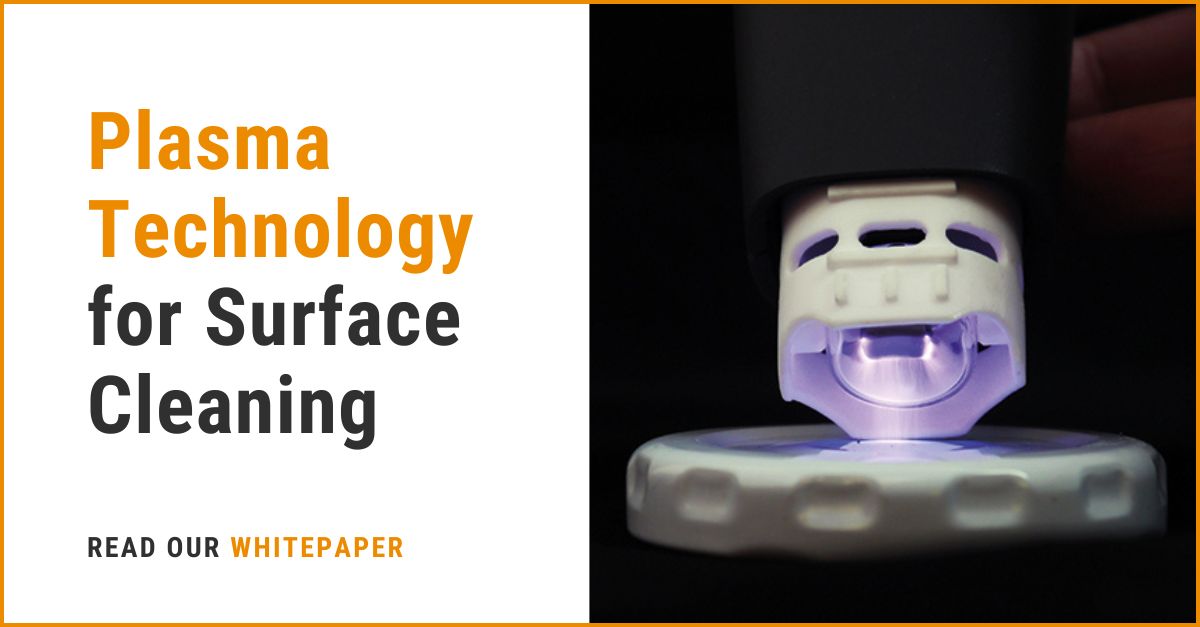
White Paper: Plasma technology for surface cleaning
Our customers often use plasma technology to enhance bonding, but it also has another key application: ultrafine surface cleaning. Our sales partner, Relyon Plasma, has created a detailed overview explaining how plasma technology can be used for cleaning.
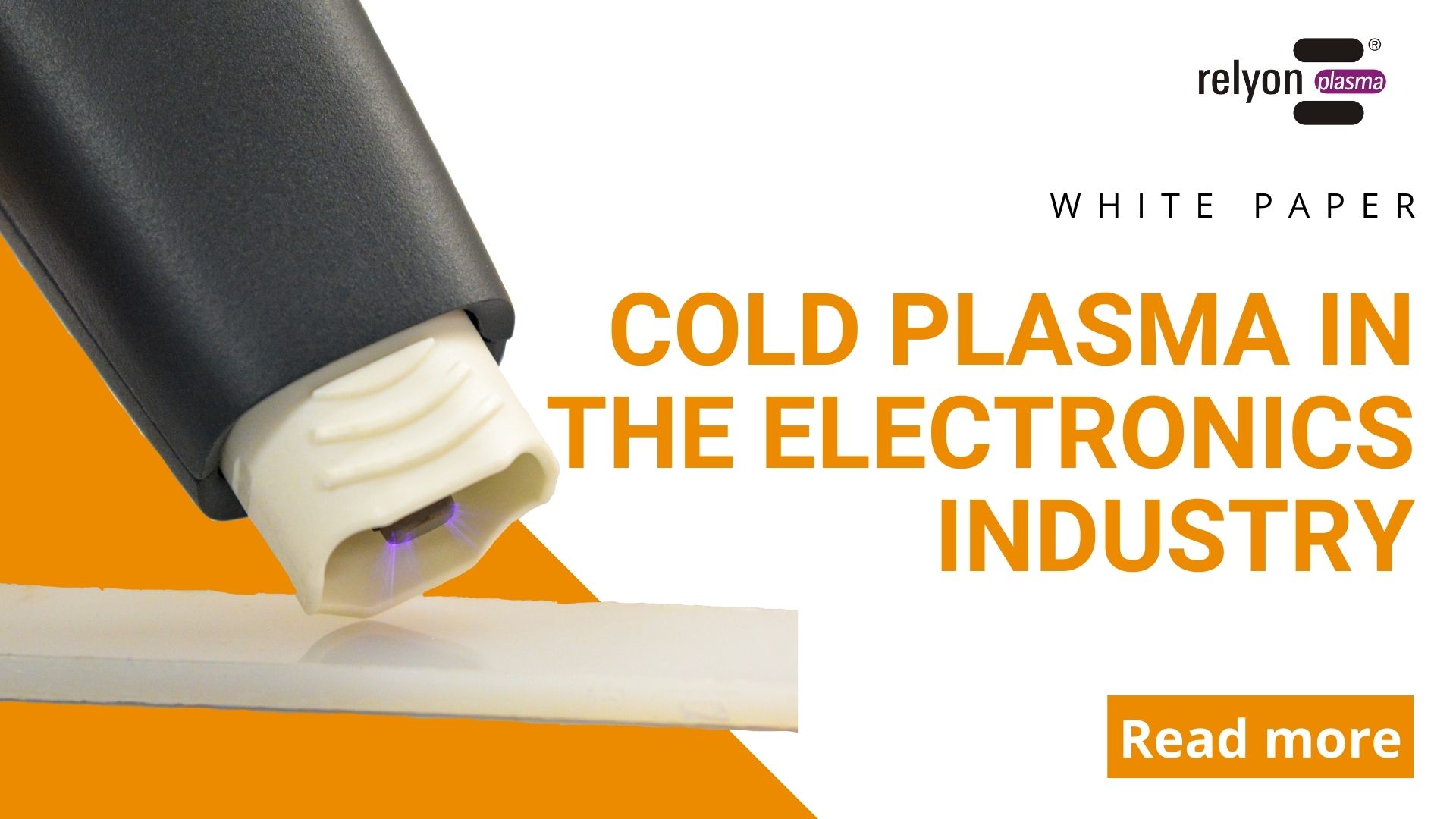
White Paper: Cold plasma in the electronics industry
Adhesion plays a decisive role for product quality and process stability in many areas of the electronics industry. These include bonding and marking of plastic components, wire bonding processes on metallic contact pads and the development of energy storage devices. Plasma is increasingly being used in electronics manufacturing to optimally prepare the surfaces of a wide variety of materials for processes which require reliable adhesion.